Uncategorized
La ciencia de la dermis: Entre la nutrición interna y la revolución de los activos

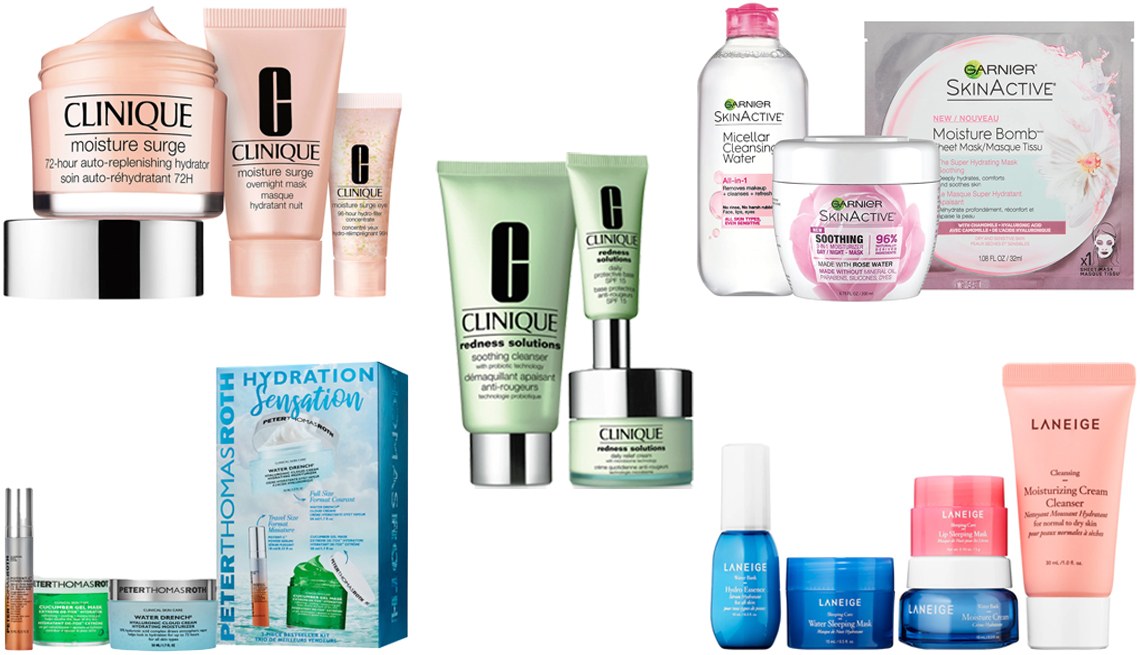
7 productos esenciales son los que definen la estructura de una rutina que realmente funcione para la piel, según los protocolos actuales de cuidado dermatológico. No se trata de acumular frascos en el estante, sino de entender la función de cada paso, desde la limpieza inicial hasta la protección final.
La industria ha pasado de vender simplemente “cremas” a ofrecer soluciones químicas complejas. Ya no buscamos solo hidratación, buscamos resiliencia y luminancia. La gente se pregunta constantemente qué marcas son las mejores, pero la respuesta suele estar en la composición y no en la etiqueta brillante del envase.
Existe una brecha enorme entre lo que la publicidad nos dice que necesitamos y lo que nuestra barrera cutánea requiere. Algunos consumidores optan por rutinas minimalistas, mientras que otros se pierden en la obsesión por los diez pasos coreanos, buscando una perfección que a veces irrita la piel en lugar de sanarla.
El esquema de la rutina que no puede fallar
Para entender cómo cuidar la piel, primero hay que entender qué pasos son obligatorios. No sirve de nada aplicar el suero más caro del mercado si no has preparado el terreno adecuadamente. La limpieza es el punto de partida, y hoy en día, el agua micelar ha ganado un terreno enorme por su capacidad para retirar impurezas sin agredir.
Muchos usuarios cometen el error de saltarse el tónico o la crema de noche. Sin embargo, el orden de los factores sí altera el producto. Si aplicas un sérum sobre una piel sucia o mal limpiada, solo estarás desperdiciando dinero. La estructura lógica suele seguir este orden de importancia:
- Agua micelar limpiadora para una primera limpieza efectiva.
- Tónico para equilibrar el pH después de la limpieza.
- Sérum para entregar activos concentrados a capas profundas.
- Crema de noche para sellar la hidratación durante el descanso.
- BB Cream o protector solar para la protección diurna.
Este orden no es una sugerencia caprichosa. Es una cuestión de densidad y absorción. Los productos más ligeros van primero y los más densos, como los aceites o cremas, van al final para evitar que los ingredientes más voluminosos impidan que los activos penetren.
El mercado actual ofrece una variedad que puede resultar abrumadora. En plataformas como Amazon, la selección es tan amplia que es difícil distinguir entre un producto de calidad y uno que solo tiene buen marketing. Es ahí donde la investigación propia se vuelve vital para no caer en el error de comprar por impulso.
La importancia de la nutrición interna
Podemos gastar cientos de dólares en sueros de última generación, pero si el cuerpo no tiene los ladrillos necesarios para construir células sanas, el esfuerzo es casi nulo. La piel es, en esencia, el reflejo de lo que ocurre en nuestro sistema digestivo y metabólico.
La dieta juega un papel fundamental en la estructura dérmica. Coma muchas frutas, verduras, granos integrales y proteínas magras para mantener la piel saludable, ya que los nutrientes esenciales ayudan a prevenir los daños celulares que causan el envejecimiento prematuro.
No es solo una cuestión de estética; es salud celular. Por ejemplo, la vitamina C actúa como un antioxidante que combate los radicales libres. Si no consumes suficientes antioxidantes a través de la comida, tu piel tendrá que trabajar el doble para defenderse del sol y la contaminación.
Un caso concreto es el de las personas que sufren de sequedad crónica. A menudo, intentan solucionar el problema solo con cremas muy pesadas, pero la verdadera hidratación viene de una ingesta adecuada de ácidos grasos esenciales y agua. Una dieta rica en grasas saludables puede hacer más por tu brillo natural que cualquier crema hidratante de farmacia.
Activos y tecnología en la cosmética moderna
El auge de la “belleza limpia” ha traído consigo ingredientes que prometen más con menos. Ya no nos conformamos con que una crema “hidrate”; queremos que la piel sea más resistente y luminosa. Aquí es donde entran los sueros de alta concentración, que se han convertido en el corazón de la cosmética profesional.
Un ejemplo de esta tendencia es el uso de antioxidantes potentes. El YOUTH® Superoxidant Boost C Serum™ es un caso de estudio interesante, ya que es un suero C multivitamínico diseñado para aumentar la luminosidad y la resiliencia de la piel, con un precio que ronda los $104.85 por una onza. Este tipo de productos buscan atacar la oxidación celular de manera directa.
La ciencia detrás de estos productos es fascinante (aunque a veces un poco complicada de explicar en una charla de café). Se trata de estabilizar moléculas que son muy volátiles, como la vitamina C pura, para que lleguen a la piel antes de que se oxiden al contacto con el aire.
Al elegir productos, es útil comparar qué tipo de base tienen. No es lo mismo un aceite que un gel o una emulsión. Para quienes buscan una limpieza profunda sin dejar sensación grasa, el uso de aceites limpiadores está ganando terreno frente a los geles tradicionales.
| Tipo de Producto | Función Principal | Ideal para… |
|---|---|---|
| Limpiador en Aceite | Eliminar maquillaje y protector solar | Pieles secas o sensibles |
| Sérum de Vitamina C | Aportar luminosidad y antioxidantes | Pieles opacas o con manchas |
| Gel Limpiador | Limpieza profunda de poros | Pieles mixtas o grasas |
| Crema de Noche | Reparación y sellado de humedad | Todo tipo de pieles |
Si buscas optimizar tu presupuesto, puedes encontrar una excelente variedad de cuidado de la piel online que te permitirá probar diferentes texturas antes de invertir en tratamientos de gama alta. La clave está en la constancia, no en la cantidad de pasos que realices cada mañana.
Tendencias y elecciones de mercado
El mercado de la belleza no es estático. Cada año surgen nuevos lanzamientos que prometen revolucionar la forma en que nos vemos al espejo. En 2024, la tendencia se ha volcado hacia la simplicidad y la eficacia de los ingredientes, alejándose de las fórmulas con demasiados rellenos químicos que solo sirven para mejorar la textura del producto pero no su función.
Existen marcas que se han centrado en la salud de la barrera cutánea, evitando ingredientes que causen inflamación. Por otro lado, la tecnología de los exfoliantes ha cambiado; ya no buscamos esos granos grandes que raspan la piel, sino ácidos suaves que disuelven las células muertas de forma inteligente.
Para quienes tienen pieles muy secas, la combinación de aceites limpios es la clave. Productos como el Limpiador Aceite de Leticia Meisani o las opciones de Skin 1004 se han vuelto virales porque ofrecen una sensación de limpieza que no deja la piel tirante, algo fundamental para evitar la irritación.
Es curioso notar cómo la información fluye ahora a través de redes sociales. Un video de pocos segundos puede catapultar un producto al éxito o destruir la reputación de una marca en cuestión de horas. Esto ha obligado a las empresas a ser mucho más transparentes con sus listas de ingredientes.
La elección del producto ideal depende de una evaluación honesta de tu propio tipo de piel. Si usas un producto para piel grasa teniendo la piel seca, estarás creando un problema donde no lo había. La piel es un órgano vivo y cambiante que responde a la edad, al clima y al estrés.
Para mantener una piel sana, no necesitas un estante lleno de productos, sino uno inteligente: invierte en un buen protector solar y en un limpiador que respete tu pH natural.
For the full picture, it’s worth checking cuidado de la piel online.
Preguntas frecuentes
¿Cuáles son los mejores productos para el cuidado de la piel?
Los mejores productos varían según el tipo de piel, pero los esenciales incluyen un limpiador suave, un suero hidratante y protector solar diario.
¿Qué productos son buenos para el cuidado de la piel?
Se recomiendan productos con ingredientes activos como ácido hialurónico para hidratar, vitamina C para iluminar y retinol para tratar arrugas.
¿Cuáles son las 10 mejores marcas de cuidado de la piel?
Marcas líderes incluyen La Roche-Posay, CeraVe, SkinCeuticals, Estée Lauder, Neutrogena, Kiehl's, Clinique, The Ordinary, La Mer y Vichy.
¿Cuál es la marca número 1 en cuidado de la piel?
No existe una única marca número 1, ya que la mejor depende de la necesidad específica del consumidor, aunque marcas dermatológicas como La Roche-Posay son líderes en recomendaciones médicas.
¿Cómo elegir productos según mi tipo de piel?
Debes identificar si tu piel es grasa, seca, mixta o sensible para seleccionar texturas y componentes adecuados que no alteren su equilibrio natural.


One thousand dollars. It’s a lot of money when you’re looking at a repair bill for a leaking roof, but it disappears almost instantly once you try to fit it into a monthly budget. It is that specific threshold where people stop worrying about their savings and start worrying about their credit score.
People often treat borrowing money like a moral failure or a personal tragedy. In reality, it’s just a tool, like a hammer or a saw. Used correctly, it builds something. Used poorly, it smashes everything in sight. The problem is that most people don’t understand how the tool works until they’ve already caught a splinter.
The decision to borrow usually happens because of some friction. Maybe the car’s transmission died on a Tuesday, or a medical bill arrived in a plain white envelope that looked far too innocent for the bad news inside. This friction creates a need for cash, and that’s when the gears of the financial system start turning.
The Hierarchy of Borrowing
Not all debt is the same. People tend to lump a mortgage together with a high-interest credit card balance, assuming they both mean you’re “in debt.” They don’t. A mortgage is a secured, long-term commitment tied to a physical asset you can eventually own. A credit card is a revolving, unsecured line of credit that can grow like a weed in a damp garden if you aren’t careful.
Personal loans fall somewhere in the middle. They are usually unsecured, meaning you haven’t put your house or car up as collateral, but they have a fixed structure that credit cards lack. You get a lump sum, you pay it back in predictable chunks, and then you’re done. It’s a much cleaner way to handle a mess, as long as the interest rate doesn’t eat you alive.
Where you sit in this hierarchy changes how you handle your money. If you’re using a loan to consolidate high-interest debt, you’re performing surgery on your finances to stop a hemorrhage. If you’re using it to buy something that loses value the second you buy it, you’re just digging a hole to fill with more holes.
The Unsecured Advantage
The big draw with unsecured options is that there is no collateral. You don’t have to worry about a bank seizing your kitchen table if you miss a payment, even if they can still sue you or tank your credit score. This lack of physical collateral is why the interest rates are higher. The lender is taking a bigger leap of faith, and they charge you for that risk.
Since there is no asset at stake, the lender relies entirely on your history. They look at how you’ve acted in the past to predict how you’ll act in the future. It’s an attempt to solve human unpredictability using nothing but math and historical data.
The Hidden Friction of Interest Rates
Interest is just the price of time. It’s what you pay to use someone else’s money today instead of waiting until you’ve saved it yourself. When people talk about rates, they focus on the headline number, but the math is often much more punishing than the marketing suggests. A low rate can become an expensive burden if the term is too long.
Take Arthur, for example. He needs to fix his HVAC system. The repair quote is high, and he doesn’t want to drain his emergency fund. He decides to look into personal loans online to see if he can spread the cost over three years. He finds a rate that seems reasonable, but he forgets to account for how those monthly payments will clash with his rent increase next year.
Arthur’s mistake is a common one. He’s looking at the monthly outflow instead of the total cost of the debt. If he pays the loan back over sixty months instead of twenty-four, he might end up paying for that HVAC system twice by the time he’s finished. He’s traded a short-term headache for a long-term parasite.
The math works like this:
- Fixed-rate loans: The payment stays the same every month. This is stable, but you don’t get any relief if market rates drop.
- Variable-rate loans: The payment can jump suddenly. That’s a terrifying prospect if your income is fixed.
- Compounding interest: This is what makes debt grow. It’s interest calculated on the interest you already owe.
When you’re negotiating a product, you’re essentially negotiating with your future self. You’re deciding how much of your future labor you’re willing to hand over to a bank in exchange for a little more comfort today.
Comparing the Different Paths
If you need cash, you have several doors to choose from. Some are heavy and difficult to open, while others swing wide but lead to a very narrow hallway. Choosing the wrong one can trap you in a cycle of refinancing that never actually ends.
Traditional bank loans are the old guard. They have the most money and often the best rates, but they are also the most judgmental. They want to see a pristine history, a steady job, and a reason for the loan that makes perfect sense to an underwriter. They are slow and bureaucratic; they don’t care about your personal circumstances or the fact that your cat’s surgery was an unforeseen catastrophe.
Peer-to-peer lending and fintech platforms have changed how fast you can get money. These companies use different algorithms to assess risk, often looking at things beyond just a traditional credit score. They are faster and easier to access, but you pay for that speed with higher rates or less personalized service. It’s a trade-off between convenience and cost.
| Option Type | Speed | Complexity | Primary Risk |
| Traditional Bank | Slow | High | Rigid Requirements |
| Credit Card | Instant | Low | High Interest |
| Personal Loan | Moderate | Moderate | Fixed Obligation |
| Home Equity | Very Slow | Very High | Asset Seizure |
Credit lines are the most dangerous of the bunch. They’re easy to use and easy to ignore until the statement arrives and the number is much higher than you remembered. They work for small, rotating needs, but using them for large, one-time expenses is a recipe for a meltdown.
The Equity Trap
Home equity is perhaps the most deceptive way to get money. It feels like “free money” because the interest rates are often much lower than a personal loan. But you’re borrowing against your house. If things go well, you renovate the kitchen, the house value goes up, and you win. If things go poorly, you lose the roof over your head. It’s a high-stakes gamble disguised as a sensible move.
Most people don’t realize that taking out a home equity loan changes the nature of their debt. You’re turning a non-liquid asset into liquid cash, and in doing so, you’re increasing the risk to your entire living situation. It’s a heavy weight to carry.
The Psychology of the Debt Cycle
Money is rarely just about math; it’s about how we feel when we look at a balance sheet. There’s a psychological relief in a sudden influx of cash, a feeling that all your problems have been solved by a single transaction. That feeling is usually an illusion. The money hasn’t solved the problem; it’s just moved the problem from your bank account to your monthly budget.
This is the “relief trap.” When someone uses a loan to cover a debt, they often feel a sense of accomplishment. They see the zero balance on their credit card and feel like they’ve won. But if they haven’t changed the behavior that caused the debt, that credit card is just sitting there, empty and ready to be filled again. They’ve just reset the clock.
The cycle looks like this:
- The Crisis: An unexpected expense or a lapse in discipline creates a gap between income and reality.
- The Solution: A loan is taken to bridge that gap, providing immediate relief.
- The Repayment Phase: Monthly payments begin, reducing your extra cash and increasing stress.
- The Recurrence: The original problem or a new one arrives, and because you’re still paying off the last debt, you reach for another loan.
Breaking this cycle takes more than just a new loan. It requires a shift in how you view the relationship between time and spending. You have to accept that a loan isn’t a solution to a problem; it’s just a way to delay the consequences. It’s a temporary reprieve, not a permanent fix.
Managing debt effectively is less about finding the perfect interest rate and more about understanding your own habits. Once you realize that every dollar borrowed today is a dollar of your future freedom being sold, the math becomes much more personal.
Questions people ask
What is the difference between a personal loan and a credit card?
A personal loan provides a lump sum of cash with a fixed interest rate and repayment schedule, whereas a credit card offers a revolving line of credit with variable interest rates.
What are the common types of financing options available?
Common options include unsecured personal loans, secured loans backed by collateral, home equity lines of credit (HELOC), and peer-to-peer lending.
How does my credit score affect my personal loan interest rate?
A higher credit score indicates lower risk to lenders, which typically qualifies you for lower interest rates and better loan terms.
Can I use a personal loan for debt consolidation?
Yes, many people use personal loans to consolidate high-interest debt into a single monthly payment with a lower interest rate.
Are there any hidden fees associated with personal loans?
Some loans may include origination fees, late payment penalties, or prepayment penalties, so it is vital to read the fine print before signing.

It happens at 11:00 PM on a Tuesday. You reach for a cartridge that worked perfectly yesterday, only to find the connection is loose or, worse, the light is blinking a frantic, rhythmic death rattle. You realize the twenty-dollar battery you bought is already failing, and you’re left staring at an expensive piece of glass that won’t fire.
This frustration is the unofficial rite of passage for anyone who has messed around with concentrates. The industry settled on a specific screw-on mechanism years ago, and it hasn’t changed. It’s called the 510 thread, a standard that has become the lingua franca of the vaping world.
Whether you’re a casual user or a serious collector, knowing why this standard exists and how to pick the right hardware saves you money and sanity. The market is crowded with everything from cheap plastic sticks to high-end machined metal, which makes choosing a device more complicated than it needs to be.
The Geometry of a Standardized Connection
At its most basic level, a 510 thread battery is just a rechargeable lithium-ion power source with universal threading that fits almost any cartridge available on the market. The “510” part refers to the 5.0mm diameter of the threading. This is why you can buy a cartridge from one brand and screw it onto a battery from another without needing a special adapter.
The connection works because a small, protruding pin on the battery meets a female contact inside the cartridge. Screwing them together locks the connection and completes the circuit. It’s a mechanical solution to an electrical problem. If the connection is loose, the circuit breaks. If the pin is too long, you might short out the cartridge. It’s a delicate balance of physics.
Because this standard is so widespread, there is a massive variety of devices. Some people prefer the slim pens that fit in a pocket. Others like compact boxes that sit on a desk. There are even key-fob styles for those who want to be discreet. This variety is why 510 thread vapes stay the dominant hardware choice for consumers everywhere.
The simplicity of the design is its biggest strength. Unlike the proprietary magnetic connections used by some high-end brands, the 510 thread doesn’t care about brand loyalty. It only cares about the thread count. It’s the USB-C of the concentrate world, though it’s much more prone to getting lint in the connection points, a common tragedy for every user.
Hardware Archetypes and Technical Specs
Not all batteries are created equal. If you treat your battery like a toy, it will eventually act like one. There’s a massive gap between the $10 disposable-style pens found in gas stations and the high-end, precision-engineered units made for enthusiasts. The difference usually comes down to voltage control and build quality.
Precision matters because different oils require different temperatures. High-viscosity concentrates might need more heat to flow, while live resin often needs lower, more delicate settings to keep its flavor intact. If your battery only has one setting, you’re essentially driving a car that can only go 60 miles per hour, regardless of whether you’re on a highway or a dirt road.
The Yocan UNI Pro is a good example of a device that leans into customization. It has a high-resolution OLED screen, which is helpful for seeing exactly what your settings are instead of guessing based on a blinking light. For those who want more than a simple “on/off” switch, these digital interfaces provide the control that cheap batteries lack.
Here are the main categories of 510 devices:
- Slim Pens: Minimalist, portable, and often charged via USB.
- Box Mods: Larger units, often featuring screens and advanced wattage or voltage settings.
- Specialty Units: Devices like the Core Series – Vessel, which are custom-made for connoisseurs.
- Key-Fob Styles: Ultra-compact designs for discreet, on-the-go use.
Price is the other big variable. You’ll find batteries ranging from a few dollars to well over fifty. While a cheap unit might work for a week, it often lacks the steady voltage needed for a consistent experience. A fluctuating voltage can lead to “hot spots” in your cartridge, which ruins the flavor and can potentially damage the coil.
The Engineering of Vapor Quality
Your vapor quality isn’t just about the oil inside the cartridge. It depends heavily on how that battery manages energy. A high-quality battery maintains a consistent voltage output even as the charge drops. This is where cheap lithium-ion cells fail. As the battery dies, the voltage drops, and the vapor becomes thin and weak.
Some premium manufacturers have addressed this with advanced monitoring tools. For instance, O2VAPE offers batteries that include a puff counter, voltage data, and a battery life indicator. They even back their products with a lifetime warranty, starting at $56.95. This level of data helps you understand exactly how you’re consuming your oil and how much life is left in the device.
Voltage control is the most important spec. Most 510 batteries allow you to adjust the voltage, usually in 0.1V increments. Lower voltages (2.0V to 3.0V) are better for preserving delicate terpenes in high-end extracts. Higher voltages (3.5V and above) are better for thicker oils or when you want a more intense hit. To maximize the lifespan of your cartridges, you have to find the sweet spot for each one.
You should also look at the physical construction. A heavy, machined metal battery will feel more substantial and likely last longer than a hollow plastic shell. The threading should be smooth. If you feel resistance or grit when screwing a cartridge on, stop. You don’t want to strip the threads on an expensive cartridge because the battery’s machining was sloppy.
| Feature | Entry-Level Pens | Mid-Range Units | Premium/Specialty |
|---|---|---|---|
| Voltage Control | Fixed or 3 levels | Adjustable (0.1V increments) | Precision digital control |
| Display | Blinking LED | Small LED indicators | OLED/LCD screens |
| Build Material | Plastic | Aluminum | Machined Brass/Steel |
| Longevity | Disposable/Short-term | 1-2 years | Lifetime/Multi-year |
Maintenance and Longevity Realities
If you want your hardware to last, treat the connection with respect. The most common cause of failure in 510 systems isn’t the battery dying, it’s the connection getting dirty. Oil is messy. If a tiny amount of oil leaks from the cartridge and gets into the threading, it creates an insulating layer that prevents contact.
A Q-tip dipped in a little isopropyl alcohol is the standard tool for this. Regularly cleaning the pin and the inside of the cartridge threads will prevent 90% of “broken” batteries. It’s a tedious task, but it’s the only way to ensure your device works every time you pick it up.
Charging habits matter too. Many people make the mistake of leaving batteries plugged into high-output phone chargers overnight. This can overheat the lithium-ion cell and degrade its capacity. Using a low-output USB port, like a computer port or a standard wall brick, is a safer way to protect the internal components.
Finally, keep an eye on the physical condition of the pin. Over time, the spring-loaded center pin in the battery can get compressed or stuck. If the pin doesn’t bounce back when you press it, the battery won’t be able to make a connection. A gentle tap or a light cleaning can sometimes fix it, but a stuck pin is usually a sign that the device is dying.
Always check your connection with a dry Q-tip before attempting to use a new cartridge.
Quick answers
Is 1 puff of a vape equal to one cigarette?
No, because the amount of nicotine and vapor inhaled varies significantly depending on the device's wattage and the concentration of the oil.
Does Amazon sell 510 vape batteries?
Amazon often lists 510 thread batteries, but availability depends on local regulations and whether the specific product is categorized as a tobacco-related item.
How much does a 510 thread battery cost?
Prices typically range from $10 for basic pen-style models to over $50 for high-end, rechargeable digital devices.
What is the best 510 thread battery for cartridges in 2026?
The best battery depends on your needs, but top-rated options generally feature adjustable voltage settings and USB-C charging for optimal cartridge performance.
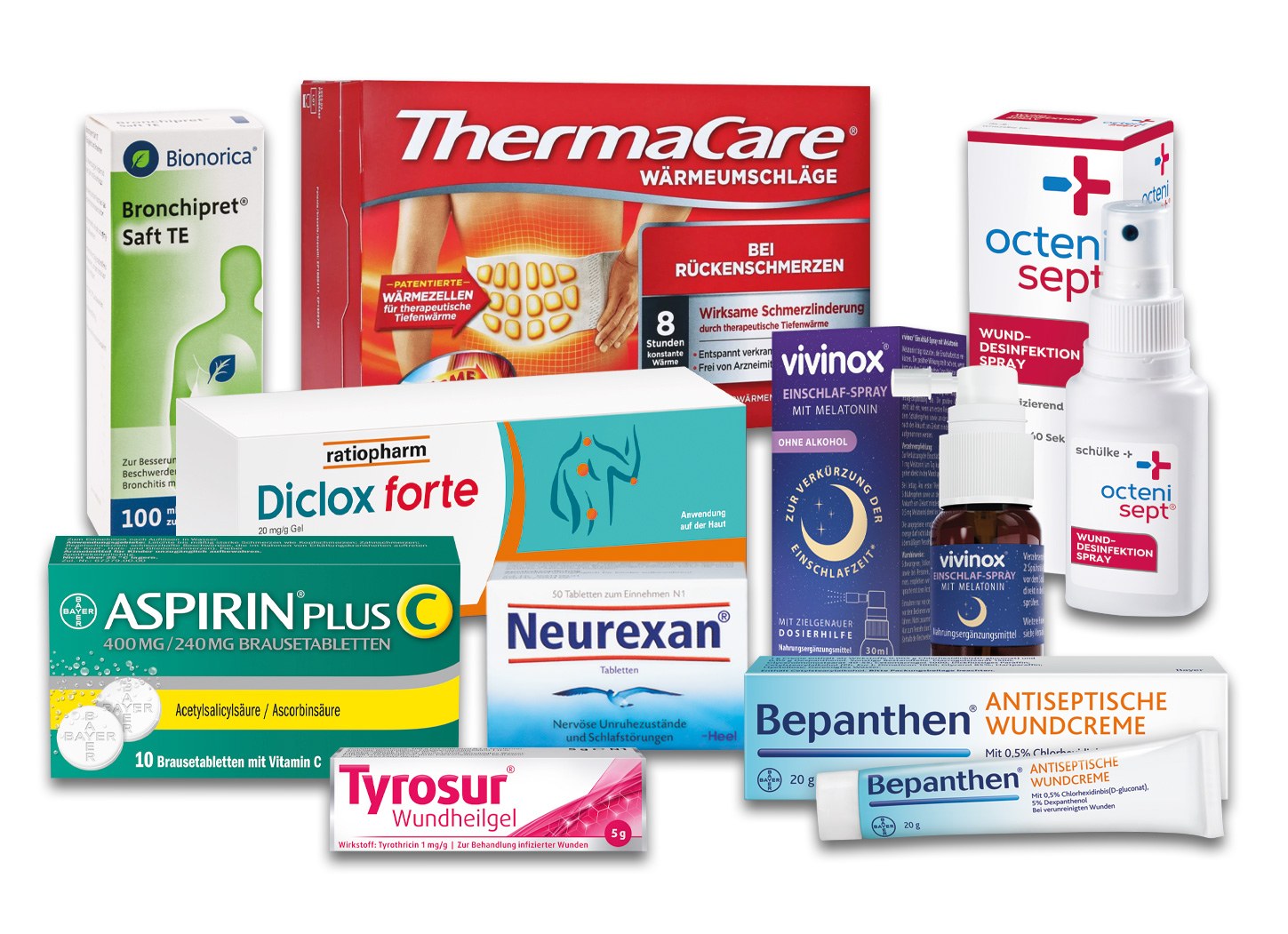
Wer glaubt, dass es in der deutschen Apotheke nur darum geht, schnell ein paar Pillen gegen Kopfschmerzen zu kaufen, hat die letzten fünf Jahre Pharmapolitik wahrscheinlich komplett verschlafen. Wir stecken hier nicht in einem simplen Logistikproblem fest. Vielmehr befinden wir uns mitten in einem globalen Schlagabtausch, bei dem es um Milliarden geht. Die Preise für Medikamente sind längst keine reinen Gesundheitsfragen mehr; sie sind zu harter geopolitischer Währung geworden.
Die Debatte um die Kosten ist mittlerweile extrem erbittert. Es geht nicht mehr nur um den Preis für eine Packung Ibuprofen, sondern um die Frage, ob unser gesamtes System der Preisgestaltung in Deutschland überhaupt noch haltbar ist. Der AOK-Bundesverband und das WIdO fragen mittlerweile ganz offen, ob die hohen Preise für Medikamente in Deutschland fair sind. Das ist keine theoretische Spielerei, sondern ein direkter Angriff auf das Fundament der gesetzlichen Krankenversicherung.
Wenn die Kosten weiter steigen, kommt das System ins Wanken. Die Krankenkassen müssen die Erstattung halten, während die Hersteller ihre Margen verteidigen. Am Ende entsteht ein Teufelskreis, der die Patienten direkt trifft, auch wenn sie den Preis im Laden gar nicht direkt auf dem Kassenbon sehen.
Der Preis-Druck: Zwischen Gemeinwohl und Profitgier
Die Diskussion um faire Arzneimittelpreise ist längst aus den Fachzeitschriften in die Politik gewandert. Im Kern geht es darum: Wie viel Innovation darf eigentlich kosten? Auf der einen Seite stehen die astronomischen Forschungskosten, auf der anderen die Notwendigkeit, die Versorgung der Leute bezahlbar zu halten. Diese Dynamik ist ungleichmäßig und oft einfach nur frustrierend.
In den letzten Jahren haben wir miterlebt, wie spezialisierte Therapien, etwa in der Onkologie, die Budgets der Versicherer sprengen. Das ist kein Zufall, sondern die logische Folge globalisierter Pharmamärkte. Wenn ein neues Medikament lebensrettend ist, aber Millionen pro Patient kostet, stellt sich die Frage nach der ethischen Vertretbarkeit dieser Preispolitik. Ist das noch medizinische Versorgung oder schon reine Hochtechnologie-Wirtschaft?
Deutschland steckt hier in einer Zwickmühle. Wir wollen einerseits ein führender Forschungsstandort sein, andererseits aber die niedrigsten Preise für unsere gesetzlich Versicherten. Beides gleichzeitig zu erreichen, ist ein Drahtseilakt, der immer schwieriger wird. Die Hersteller argumentieren: Ohne hohe Preise keine Forschung. Die Kassen sagen: Ohne Preisdeckel keine Bezahlbarkeit. Wer recht hat, lässt sich nicht so einfach beantworten.
Die Marktdaten sind eindeutig. Ein Blick in den Arzneimittel-Atlas verdeutlicht, wie hoch der Verbrauch in Deutschland wirklich ist und wie sich die Marktanteile verschieben. Die Volumina steigen, während die Medikamente immer komplexer werden. Das treibt die Kosten massiv an.
- Steigende Kosten für Orphan Drugs (Medikamente gegen seltene Krankheiten).
- Hoher Aufwand für die Erstattung neuer, biologischer Therapien.
- Druck durch Generika-Verhandlungen bei Standardmedikamenten.
- Zunehmende Bürokratie in der Abrechnung mit den Krankenkassen.
Wenn Sie Medikamente brauchen, ist die Wahl des Bezugsquartals heute wichtiger denn je. Wer seine Medikamente lokal beziehen möchte, findet in der Loewen Apotheke Online eine Anlaufstelle, die den Übergang zwischen klassischem Apothekenhandel und digitalem Komfort schafft. Dabei ist oft die Verfügbarkeit das eigentliche Problem, nicht nur der Preis.
Der transatlantische Zangenangriff auf die Preisgestaltung
Deutschland agiert hier nicht isoliert, sondern ist ein Zielobjekt internationaler Handelsinteressen. Die USA schauen ganz genau hin, wie wir unsere Preise regulieren. Das ist ein politisches Ringen, das weit über die EU hinausgeht. Die US-Regierung hat bereits Untersuchungen eingeleitet, weil sie vermutet, dass die Preisgestaltung in Deutschland und Europa nicht mit den Marktmechanismen vereinbar ist, die sie selbst anstreben. Deutschland und die USA ringen um höhere Arzneimittelpreise, was zeigt, wie sehr die Interessen der Pharmakonzerne mit der Handelspolitik kollidieren.
Auf der einen Seite steht das US-Modell mit freiem Markt und extrem hohen Preisen, um die weltweite Forschung zu finanzieren. Auf der anderen Seite steht das europäische System, das versucht, die Preise durch staatliche Verhandlungen zu deckeln. Das sorgt für Spannungen. Wenn die USA das Gefühl haben, dass die Europäer die Entwicklungskosten der US-Firmen durch zu niedrige Preise subventionieren, wird es politisch. Das ist keine Theorie mehr, sondern Realpolitik im Gesundheitswesen.
Diese geopolitische Komponente macht die Planung für Pharmaunternehmen extrem schwierig. Man kann nicht nur nach medizinischem Bedarf produzieren, sondern muss die Handelsbeziehungen zwischen den USA und der EU ständig im Blick haben. Ein politischer Wendepunkt in Washington kann die Absatzstrategien in Frankfurt oder Berlin über Nacht verändern. Es ist ein Spiel mit sehr hohen Einsätzen, bei dem die Patienten oft nur die Nebenwirkungen dieser politischen Entscheidungen spüren.
Wird die USA-Politik die europäische Preisgestaltung langfristig zerschlagen? Wahrscheinlich nicht, aber sie wird den Druck erhöhen, die Preisregeln zu lockern, um die Attraktivität für Investitionen zu sichern. Das ist das Dilemma der Stunde.
Produktionsstandort Deutschland: Zwischen Forschung und Zöllen
Deutschland ist ein Land der Erfinder, aber Chemie und Pharmazie kämpfen um ihren Platz. Wir haben eine enorme Expertise in der Arzneimittelforschung, was uns zu einem wichtigen Standort macht. Forschung und Entwicklung finden hier statt, oft mit Universitäten und spezialisierten Instituten zusammen. Wir entwickeln Wirkstoffe, testen sie in klinischen Studien und bringen sie auf den Markt. Das ist ein hochkomplexes Ökosystem.
Doch die Realität der Produktion sieht oft anders aus. Während die Forschung hier bleibt, wandert die Produktion oft dorthin, wo es billiger ist. Das hat zu massiven Lieferengpässen bei Standardmedikamenten geführt. Wenn die Lieferketten reißen, merken wir erst, wie zerbrechlich unser System wirklich ist. Es geht nicht nur um die Erfindung, sondern auch darum, dass die Pillen am Ende auch wirklich in den Regalen der Apotheken liegen.
Zusätzlich kommt der Protektionismus als neue Bedrohung hinzu. Die Pharmabranche bereitet sich aktuell auf mögliche neue US-Zölle vor. Das ist eine Sorge, die viele Unternehmen umtreibt, da die Handelsströme zwischen Deutschland und den USA massiv sind. Wenn die USA Zölle auf Medikamente erheben, trifft das die deutsche Exportindustrie hart. Wir wissen noch nicht genau, wie die US-Politik reagieren wird, aber die Konzerne rüsten bereits auf, um mögliche Schocks abzufedern.
Die Situation lässt sich so zusammenfassen:
| Faktor | Status Quo | Risiko |
|---|---|---|
| Forschung | Hochkarätig, weltweit führend | Abwanderung von Kapital |
| Produktion | Hoher Kostendruck, Outsourcing | Lieferengpässe bei Basismedikamenten |
| Handel | Hohe Abhängigkeit von USA/China | Zölle und Handelsbarrieren |
Es ist eine paradoxe Situation: Technologisch sind wir an der Weltspitze, aber wirtschaftlich sind wir in einer Schusslinie zwischen den großen Handelsblöcken gefangen. Die Forschung braucht Geld, aber das Geld wird durch Handelskonflikte und Zölle wieder weggeschmolzen. Ein riskantes Spiel.
Die Macht der großen Player und die Rolle der Apotheke
Wer hat eigentlich das Sagen am Markt? Wenn man sich die Liste der größten Pharmaunternehmen ansieht, merkt man schnell, dass die Namen oft globale Giganten sind. Es ist ein Markt der Schwergewichte. Diese Konzerne haben die Ressourcen, um jahrelange Studien zu finanzieren und rechtliche Schlachten um Patente zu führen. Für die kleinen Apotheken vor Ort ist das ein völlig anderes Spielfeld. Sie stehen am Ende der Kette und liefern die Ware physisch aus.
Der Markt ist sehr konzentriert. Wenige Unternehmen kontrollieren einen Großteil der innovativen Medikamente, was ihre Verhandlungsmacht enorm macht. Wenn ein Konzern ein lebensnotwendiges Medikament als Single-Source-Produkt anbietet, ist er der König der Verhandlung. Die Krankenkassen können dann oft wenig tun, außer die Preise zu akzeptieren, um die Versorgung nicht zu gefährden.
Wir müssen uns fragen, wie viel Macht wir an diese Konzerne abgeben dürfen. In Deutschland gibt es eine Mischung aus großen Namen wie Bayer oder Boehringer Ingelheim und vielen mittelständischen Unternehmen, die sich oft auf Nischen oder Generika spezialisiert haben. Aber die wahre Macht liegt dort, wo die Patente liegen. Wenn ein Patent abläuft, bricht der Preis ein und die Generika-Hersteller stürzen sich auf den Markt. Das ist der einzige Moment, in dem der Preisdruck wirklich funktioniert.
Trotzdem bleibt die Apotheke der zentrale Ansprechpartner für die Patienten. Sie ist die Schnittstelle zwischen der hochkomplexen Industrie und dem Menschen. Ohne die fachliche Beratung würde das gesamte System der Medikamentenanwendung wahrscheinlich kollabieren, weil die Wirkstoffe für Laien einfach zu komplex sind. Die Apotheke ist der letzte Filter in einem sehr chaotischen Prozess.
Die Branche steht vor einem massiven Umbau. Digitalisierung, neue Lieferketten und der Druck durch die großen Player werden die klassische Apothekenstruktur verändern. Es wird weniger um das reine Verkaufen gehen und viel mehr um Beratung und die Koordination der Versorgung. Wer nur Waren hortet, wird es schwer haben. Wer Beratung bietet, wird überleben.
Es bleibt spannend, wie sich das Blatt wendet.
Häufige Fragen
Welche Medikamente stellt Deutschland her?
Deutschland produziert eine breite Palette an Medikamenten, von Generika über Spezialmedikamente bis hin zu hochmodernen Biologika und Impfstoffen.
Wer ist der größte Pharmakonzern in Deutschland?
Der größte Pharmakonzern in Deutschland ist Bayer, gefolgt von Unternehmen wie Merck oder Boehringer Ingelheim.
Welche sind die Top 10 Pharmaunternehmen in Deutschland?
Zu den führenden Unternehmen zählen Bayer, Merck KGaV, Boehringer Ingelheim, BASF (Pharma-Sparte), Evonik, BioNTech, Sartorius, Grünenthal, Qiagen und Wacker.
Welche sind die 5 größten Pharmaunternehmen weltweit?
Weltweit dominieren Konzerne wie Pfizer, Johnson & Johnson, Roche, Merck & Co. und AbbVie den Markt.
Was kann man in einer deutschen Apotheke kaufen?
In deutschen Apotheken sind sowohl rezeptfreie Medikamente als auch verschreibungspflichtige Arzneimittel sowie Gesundheitsprodukte erhältlich.
La ciencia de la dermis: Entre la nutrición interna y la revolución de los activos
The Mechanics of Modern Debt
The Mechanics of the Standard: Navigating the 510 Thread Ecosystem

-
اوتو كار6 years ago
تويوتا كورولا 2020 مواصفات السيارة بالكامل
-
أخبار سياحة6 years ago
تأشيرة الى خمس مناطق سياحية بسطيف الجزائري (صور)
-
أخبار سياحة6 years ago
قسنطينة مدينة الجسور المعلقة بالجزائر (صور)
-
 أخبار سياحة6 years ago
قمرت أجمل مدن تونس.. طبيعة خلّابة وحياة راقية.. صور وفيديو
-
فنادق ومطاعم 4 years ago
مطاعم تونس العاصمة: تعرف علي افضل مطاعم تونس العاصمة 2022
-
أخبار سياحة6 years ago
9 من أفضل المنتجعات الصحراوية في الإمارات: من الربع الخالي إلى دبي (صور)
-
أخبار سياحة5 years ago
منتجع ارض الاساطير في انطاليا، ذا لاند اوف ليجندز
-
فنادق ومطاعم 6 years ago
منتجع أنانتارا الجبل الأخضر سلطنة عُمان وجهتك الآمنة