Uncategorized
Personal Loans Are Booming Again: What the Numbers Reveal for Borrowers in 2026
The personal‑loan market has been on a rollercoaster over the past decade, but data from LendingTree’s 2026 statistics report shows that the ride is gaining momentum again. In the fourth quarter of 2026 alone, American borrowers carried $276 billion in personal‑loan debt—up a solid 10% from the previous year and a staggering $25 billion higher than the 2026 figure.
While mortgages and auto loans still dominate consumer debt, personal loans now account for 1.5% of all outstanding consumer debt—a figure that has barely changed since the Great Recession’s peak in 2009. Yet the sheer volume of borrowers—26.4 million as of Q4 2025—indicates a growing appetite for installment credit that can be tailored to a wide range of needs.
To help readers navigate this expanding landscape, we’ve pulled together the latest data, industry insights, and practical tips from top lenders—including a quick look at how JetzLoan fits into the picture.
Borrower Demographics: Who’s Taking Out Personal Loans?
Personal loans are no longer a niche product reserved for high‑credit borrowers. The data shows that 51% of users take out a loan to consolidate debt, while another 10% use it for everyday expenses such as medical bills or home repairs.
- Credit Score Range: Borrowers with scores above 680 tend to secure rates under 25%, whereas those below 620 often face APRs exceeding 30%. Source
- Loan Amount: The average loan is $11,699, with a range that can stretch from $5,000 to over $50,000 depending on lender and credit profile.
- Term Length: Most borrowers choose terms between 36 and 60 months, striking a balance between manageable monthly payments and total interest costs.
The rise in loan volume coincides with the proliferation of online lenders that offer rapid approvals—sometimes within minutes—and same‑day disbursement. This convenience factor has been especially appealing to consumers looking for quick solutions to unexpected expenses.
Interest Rates: How Do They Stack Up?
APR trends have shifted dramatically in recent years. For borrowers with excellent credit (720+), the average APR hovers around 15%, comparable to premium credit‑card rates. Those with fair or subprime scores see rates climb into the high‑20s and low‑30s.
| Credit Score Range | Avg. APR | Avg. Loan Amount |
|---|---|---|
| 720+ | 15.08% | $20,236 |
| 680‑719 | 23.46% | $17,475 |
| 660‑679 | 27.20% | $14,195 |
| 640‑659 | 28.97% | $12,615 |
| 620‑639 | 30.30% | $11,973 |
| 580‑619 | 31.10% | $11,486 |
| 560‑579 | 31.84% | $11,187 |
| Below 560 | 30.40% | $11,447 |
These figures come from LendingTree’s user data for Q4 2025 and illustrate how lenders price risk: the better your credit, the more favorable the terms.
Fees That Can Add Up
Beyond APRs, borrowers must watch out for origination fees, which can range from 1% to 10% of the loan amount. Some lenders offer “no‑fee” promotions, but those often come with higher rates or stricter eligibility criteria.
- Origination Fee: Typically 1–5%, deducted from the disbursed amount.
- Prepayment Penalty: Rare in consumer loans, but some contracts still impose a fee for early payoff.
- Late Payment Fees: Vary by lender; can be as high as $35 per missed payment.
When comparing offers, it pays to calculate the effective annual rate (EAR), which accounts for both interest and fees. A seemingly low APR may hide a higher EAR if fees are steep.
The Rise of Digital Lenders: JetzLoan’s Place in the Market
While traditional banks still dominate the high‑credit segment, fintech companies have carved out niches by offering flexible terms, streamlined applications, and competitive rates for subprime borrowers. JetzLoan exemplifies this trend.
Key features of JetzLoan include:
- Fast Approval: Most applications receive a decision within 24 hours, thanks to automated underwriting algorithms.
- Flexible Repayment Plans: Borrowers can choose monthly or bi‑weekly schedules, which can shave months off the loan term and reduce interest.
- No Hidden Fees: JetzLoan advertises a flat fee of 2% for all loans, making it easier to compare offers side‑by‑side.
According to LendingTree’s data set, fintech lenders now represent nearly 35% of the personal‑loan market, a figure that has been steadily climbing since 2018.
How to Evaluate a Fintech Offer
When considering an online lender like JetzLoan, keep these checkpoints in mind:
- APR vs. EAR: Always calculate the effective rate to see the true cost.
- Customer Reviews: Check BBB ratings and independent review sites for service quality.
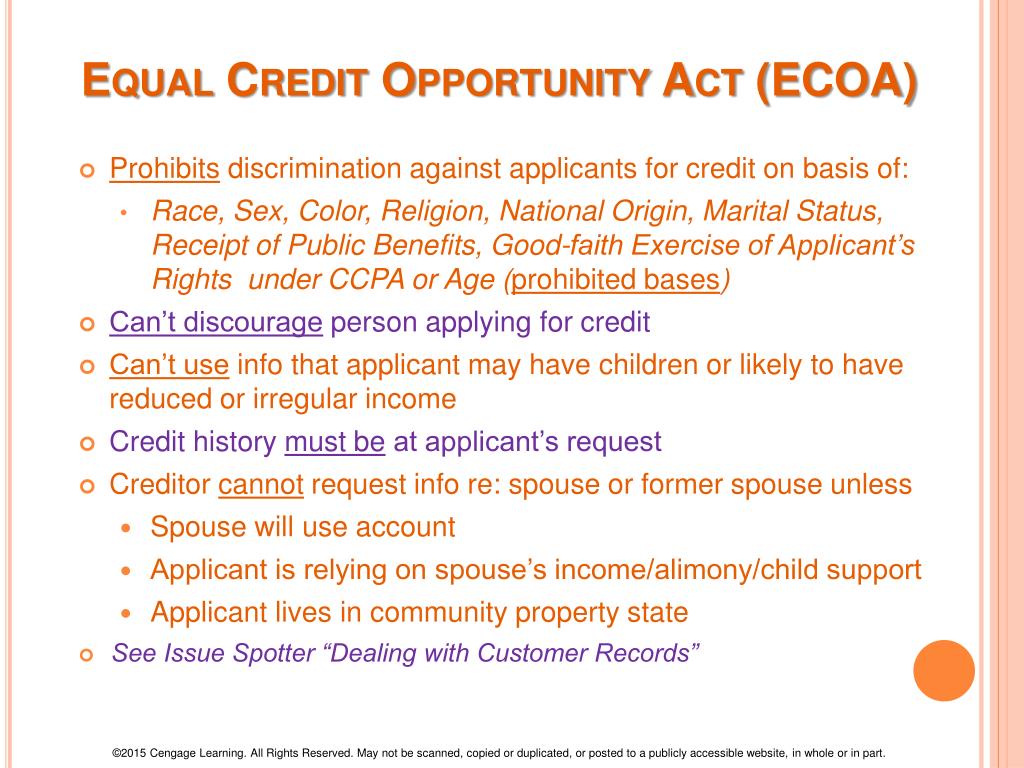
- Regulatory Compliance: Verify that the lender is registered with the CFPB and follows ECOA guidelines.
By doing a quick comparison of rates, terms, and fees across multiple platforms—including JetzLoan—you can secure the best deal for your financial situation.
Delinquency Trends: What the Numbers Tell Us About Risk
The delinquency rate for personal loans—defined as 60 days or more past due—stands at 3.99% in Q4 2025, up from 3.57% a year earlier. While this figure is higher than that of auto or mortgage loans, it remains lower than the average credit‑card delinquency (2.58% for 90+ days).
- High‑Risk Borrowers: Those with scores below 600 are more likely to miss payments.
- Economic Factors: Recent inflation and labor market shifts have contributed to a modest uptick in delinquencies.
- Lender Response: Many lenders now offer hardship programs, such as payment deferrals or restructuring options, to reduce defaults.
For borrowers, staying ahead of potential financial stress—by maintaining an emergency fund and monitoring credit scores—can mitigate the risk of falling into delinquency.
Industry Response: Regulatory Changes and Consumer Protections
The Consumer Financial Protection Bureau (CFPB) has recently rolled back certain consumer‑credit rules, sparking debate over how these changes might affect borrower protections. Critics argue that weaker regulations could open the door to predatory practices, especially for subprime borrowers who rely on online lenders.
- State-Level Oversight: Some states have stepped in with stricter licensing requirements for fintech companies.
- Consumer Advocacy Groups: Organizations like the National Consumer Law Center are monitoring the impact of regulatory rollbacks.
As the landscape evolves, borrowers should remain vigilant and seek transparent terms from any lender—whether a traditional bank or a digital platform like JetzLoan.
How Personal Loans Fit Into Your Broader Financial Strategy
Many consumers turn to personal loans for debt consolidation because it can lower overall interest costs and streamline monthly payments. However, the strategy’s success hinges on disciplined repayment and avoiding new high‑interest debt.
- Consolidation Benefits: A single payment reduces administrative hassle; a lower APR saves money over time.
- Potential Pitfalls: If the loan rate is higher than existing credit cards, consolidation may backfire.
- Alternatives: Balance‑transfer credit cards or secured personal loans can sometimes offer better terms for specific use cases.
Financial planners often recommend using a personal loan as part of a broader debt‑management plan that includes budgeting, emergency savings, and long‑term investing.
Real-World Example: A Mid-Career Professional’s Journey
Sarah, a 38-year-old marketing manager with a credit score of 680, faced $15,000 in credit‑card debt carrying an average APR of 22%. She applied for a personal loan through JetzLoan and secured a 5% APR over 48 months. By consolidating her balances into one lower‑rate payment, Sarah reduced her monthly outflow from $520 to $310—a savings of $210 that she redirected into retirement contributions.
Her experience underscores the importance of comparing rates across platforms, verifying fees, and aligning loan terms with personal financial goals.
The Road Ahead: Forecasting Personal‑Loan Growth
Analysts predict that personal‑loan debt will continue to rise, driven by consumer demand for flexible financing options. Projections estimate a 7–8% annual growth rate over the next five years, assuming stable economic conditions and continued digital adoption.
- Technology Adoption: AI underwriting models are expected to further reduce approval times.
- Regulatory Environment: Ongoing policy debates could reshape lender practices and borrower protections.
- Consumer Behavior: Post‑pandemic shifts toward online shopping and remote work may increase the need for short‑term, low‑interest credit.
For borrowers, staying informed about market trends and maintaining a healthy credit profile will be key to navigating this evolving landscape.
Key Takeaways for Consumers
- Do Your Homework: Compare APRs, fees, and terms across lenders—traditional banks, online platforms, and fintech companies like JetzLoan.
- Understand the Full Cost: Use the effective annual rate to gauge true borrowing expenses.
- Plan for Repayment: Align loan terms with your income flow and long‑term financial goals.
By staying proactive and informed, borrowers can harness personal loans as a powerful tool—whether it’s consolidating debt, covering unexpected expenses, or investing in future opportunities.