Uncategorized
The Mechanics of the Standard: Navigating the 510 Thread Ecosystem
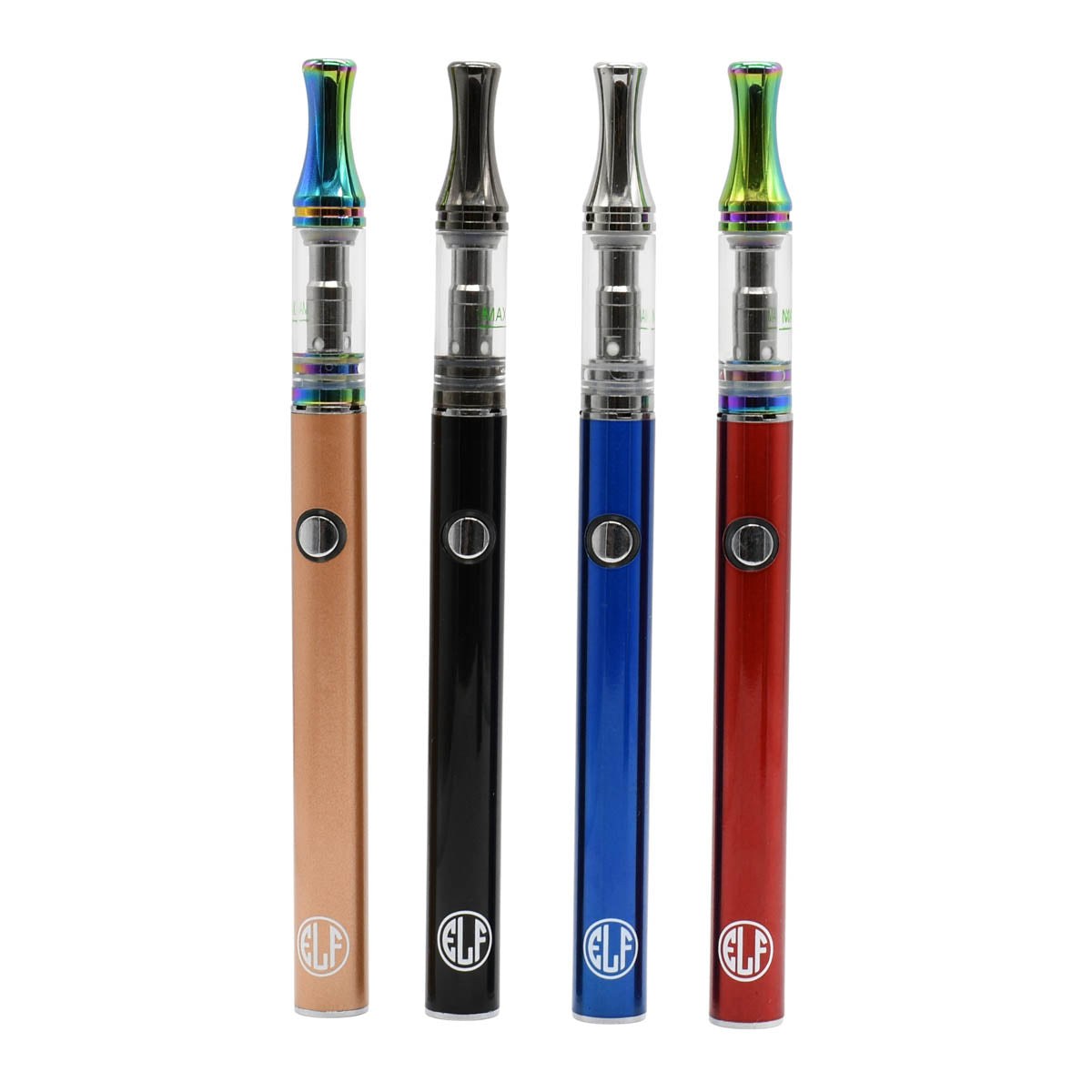
It happens at 11:00 PM on a Tuesday. You reach for a cartridge that worked perfectly yesterday, only to find the connection is loose or, worse, the light is blinking a frantic, rhythmic death rattle. You realize the twenty-dollar battery you bought is already failing, and you’re left staring at an expensive piece of glass that won’t fire.
This frustration is the unofficial rite of passage for anyone who has messed around with concentrates. The industry settled on a specific screw-on mechanism years ago, and it hasn’t changed. It’s called the 510 thread, a standard that has become the lingua franca of the vaping world.
Whether you’re a casual user or a serious collector, knowing why this standard exists and how to pick the right hardware saves you money and sanity. The market is crowded with everything from cheap plastic sticks to high-end machined metal, which makes choosing a device more complicated than it needs to be.
The Geometry of a Standardized Connection
At its most basic level, a 510 thread battery is just a rechargeable lithium-ion power source with universal threading that fits almost any cartridge available on the market. The “510” part refers to the 5.0mm diameter of the threading. This is why you can buy a cartridge from one brand and screw it onto a battery from another without needing a special adapter.
The connection works because a small, protruding pin on the battery meets a female contact inside the cartridge. Screwing them together locks the connection and completes the circuit. It’s a mechanical solution to an electrical problem. If the connection is loose, the circuit breaks. If the pin is too long, you might short out the cartridge. It’s a delicate balance of physics.
Because this standard is so widespread, there is a massive variety of devices. Some people prefer the slim pens that fit in a pocket. Others like compact boxes that sit on a desk. There are even key-fob styles for those who want to be discreet. This variety is why 510 thread vapes stay the dominant hardware choice for consumers everywhere.
The simplicity of the design is its biggest strength. Unlike the proprietary magnetic connections used by some high-end brands, the 510 thread doesn’t care about brand loyalty. It only cares about the thread count. It’s the USB-C of the concentrate world, though it’s much more prone to getting lint in the connection points, a common tragedy for every user.
Hardware Archetypes and Technical Specs
Not all batteries are created equal. If you treat your battery like a toy, it will eventually act like one. There’s a massive gap between the $10 disposable-style pens found in gas stations and the high-end, precision-engineered units made for enthusiasts. The difference usually comes down to voltage control and build quality.
Precision matters because different oils require different temperatures. High-viscosity concentrates might need more heat to flow, while live resin often needs lower, more delicate settings to keep its flavor intact. If your battery only has one setting, you’re essentially driving a car that can only go 60 miles per hour, regardless of whether you’re on a highway or a dirt road.
The Yocan UNI Pro is a good example of a device that leans into customization. It has a high-resolution OLED screen, which is helpful for seeing exactly what your settings are instead of guessing based on a blinking light. For those who want more than a simple “on/off” switch, these digital interfaces provide the control that cheap batteries lack.
Here are the main categories of 510 devices:
- Slim Pens: Minimalist, portable, and often charged via USB.
- Box Mods: Larger units, often featuring screens and advanced wattage or voltage settings.
- Specialty Units: Devices like the Core Series – Vessel, which are custom-made for connoisseurs.
- Key-Fob Styles: Ultra-compact designs for discreet, on-the-go use.
Price is the other big variable. You’ll find batteries ranging from a few dollars to well over fifty. While a cheap unit might work for a week, it often lacks the steady voltage needed for a consistent experience. A fluctuating voltage can lead to “hot spots” in your cartridge, which ruins the flavor and can potentially damage the coil.
The Engineering of Vapor Quality
Your vapor quality isn’t just about the oil inside the cartridge. It depends heavily on how that battery manages energy. A high-quality battery maintains a consistent voltage output even as the charge drops. This is where cheap lithium-ion cells fail. As the battery dies, the voltage drops, and the vapor becomes thin and weak.
Some premium manufacturers have addressed this with advanced monitoring tools. For instance, O2VAPE offers batteries that include a puff counter, voltage data, and a battery life indicator. They even back their products with a lifetime warranty, starting at $56.95. This level of data helps you understand exactly how you’re consuming your oil and how much life is left in the device.
Voltage control is the most important spec. Most 510 batteries allow you to adjust the voltage, usually in 0.1V increments. Lower voltages (2.0V to 3.0V) are better for preserving delicate terpenes in high-end extracts. Higher voltages (3.5V and above) are better for thicker oils or when you want a more intense hit. To maximize the lifespan of your cartridges, you have to find the sweet spot for each one.
You should also look at the physical construction. A heavy, machined metal battery will feel more substantial and likely last longer than a hollow plastic shell. The threading should be smooth. If you feel resistance or grit when screwing a cartridge on, stop. You don’t want to strip the threads on an expensive cartridge because the battery’s machining was sloppy.
| Feature | Entry-Level Pens | Mid-Range Units | Premium/Specialty |
|---|---|---|---|
| Voltage Control | Fixed or 3 levels | Adjustable (0.1V increments) | Precision digital control |
| Display | Blinking LED | Small LED indicators | OLED/LCD screens |
| Build Material | Plastic | Aluminum | Machined Brass/Steel |
| Longevity | Disposable/Short-term | 1-2 years | Lifetime/Multi-year |
Maintenance and Longevity Realities
If you want your hardware to last, treat the connection with respect. The most common cause of failure in 510 systems isn’t the battery dying, it’s the connection getting dirty. Oil is messy. If a tiny amount of oil leaks from the cartridge and gets into the threading, it creates an insulating layer that prevents contact.
A Q-tip dipped in a little isopropyl alcohol is the standard tool for this. Regularly cleaning the pin and the inside of the cartridge threads will prevent 90% of “broken” batteries. It’s a tedious task, but it’s the only way to ensure your device works every time you pick it up.
Charging habits matter too. Many people make the mistake of leaving batteries plugged into high-output phone chargers overnight. This can overheat the lithium-ion cell and degrade its capacity. Using a low-output USB port, like a computer port or a standard wall brick, is a safer way to protect the internal components.
Finally, keep an eye on the physical condition of the pin. Over time, the spring-loaded center pin in the battery can get compressed or stuck. If the pin doesn’t bounce back when you press it, the battery won’t be able to make a connection. A gentle tap or a light cleaning can sometimes fix it, but a stuck pin is usually a sign that the device is dying.
Always check your connection with a dry Q-tip before attempting to use a new cartridge.
Quick answers
Is 1 puff of a vape equal to one cigarette?
No, because the amount of nicotine and vapor inhaled varies significantly depending on the device's wattage and the concentration of the oil.
Does Amazon sell 510 vape batteries?
Amazon often lists 510 thread batteries, but availability depends on local regulations and whether the specific product is categorized as a tobacco-related item.
How much does a 510 thread battery cost?
Prices typically range from $10 for basic pen-style models to over $50 for high-end, rechargeable digital devices.
What is the best 510 thread battery for cartridges in 2026?
The best battery depends on your needs, but top-rated options generally feature adjustable voltage settings and USB-C charging for optimal cartridge performance.