كشف موقع بلومبيرغ إل بي الإخباري، أن شاحنات نقل البضائع في الصين يمكنها مراقبة ما إذا كان سائقيها يحصلون على غفوة أو يسرعون أو يبطئون أثناء القيادة على الطريق، وذلك بفعل اتصالها مع شبكة التحكم في المركبات التابعة لمجموعة G7 العالمية ومقرها العاصمة الصينية بكين، والمختصة بتعزيز التعاون اللوجستي بين مشغلي عمليات شحن البضائع.
وذكر موقع The Star الإخباري، اإن مجموعة G7 تؤدي أعمالاً أكثر من مجرد نقل البضائع عبر الأمة الشاسعة “الصين”، حيث باستخدام تقنية “إنترنت الأشياء” والتي تستخدم في أجهزة الاستشعار عن بعد وأدوات الذكاء الاصطناعي وغيرها من الإلكترونيات، يمكنها توظيف الكاميرات الكاشفة للتعب لاكتشاف القيادة السيئة، والاتصال بأنظمة مساعد السائق المتقدمة، لإرسال تحذيرات حول وجود مساحة غير كافية بين المركبات على الطرق السريع، ووزن البضائع عن متن الشاحنة في الوقت الحقيقي، وذلك لمنع السرقة.
وتهدف مجموعة G7 إلى المراقبة عن بعد لجميع خطوات طوال رحلة الخدمات اللوجستية للمنتج من المستودع إلى التسليم.
وشهد التسوق عبر الإنترنت قفزة هائلة، على إثر تفشي كوفيد 19، نظرًا لأن الناس يلتزمون البقاء في المنزل ويتجنبون الازدحام، حيث قدمت تقنية مجموعة G7 لمراقبة المنتج عن بعد، فرصة إضافية للعملاء بما في ذلك شركة فيديكس الامريكية لخدمات توصيل البريد السريع، وموقع أمازون.كوم للتجارة الإلكترونية، وخدمة البريد الصينية تشاينا بوست، وشركة وول مارت الأمريكية للبيع بالتجزئة.
من ناحيته أوضح تشاي شيويهون مؤسس G7، أن تقنيتهم باتت أكثر تركيزًا من أي وقت مضى على الأمن في نقل البضائع، كما وتهدف في النهاية إلى جعل الخدمات اللوجستية في نقل البضائع أكثر كفاءة وأقل تكلفة.
ويستفيد المستهلكون أيضًا من ذلك من خلال انخفاض تكاليف المنتجات التي تصلهم في الوقت المحدد وفي حالة أفضل.
ومجموعة G7تأسست عام 2010، وتأخذ اسمها من الطريق السريع في الصين G7 Beijing-Urumqi، وهو أطول طريق صحراوي سريع في العالم، حيث تجمع عددًا كبيرًا من المعلومات الأخرى لأسطول المركبات، بدءًا من عدد مرات استخدام السائقين لهواتفهم المحمولة أثناء سيرهم بمركباتهم على الطريق، إلى عدد مرات التوقف لإعادة تعبئة الوقود، وطرق الدفع الإلكترونية التي يعتمدون عليها.
ويمكن أن توفر تقنيتها أيضًا تحديثات في الوقت الحقيقي لحمولة الشاحنة ودرجة الحرارة، مما يساعد على ضمان الحفاظ على البضائع التي يجب أن تبقى باردة، ليتم تسليمها في أفضل حالة.
كما وتستخدم مجموعة G7 الذكاء الاصطناعي للمساعدة في خفض معدل الحوادث من خلال تحديد ما إذا كان السائقون يفقدون التركيز اعتماداً على وتيرة ترميش أعينهم.
وإذا فشل سلوك السائق في الاستجابة إلى تنبيه رنين، سيجري موظف الخط الساخن للخدمة مكالمة تحثه على أخذ قسط من الراحة.
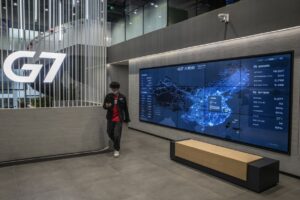
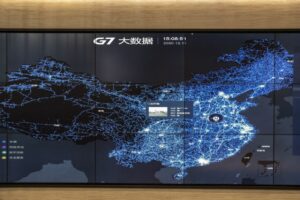
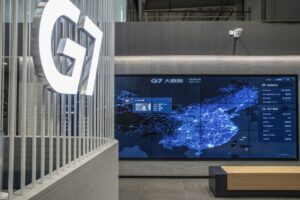
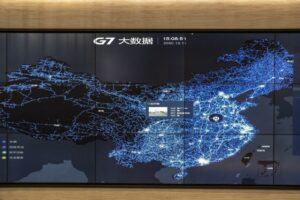
وصرّح شيويهون من مقر مجموعة G7 ، حيث تعرض شاشة بحجم جدار بيانات وصور في الوقت الحقيقي لحوالي 1.8 مليون مركبة متصلة بمنصة الشركة، قائلاً : “في العشرة أعوام القادمة سوف نجلب حقبة من الرقمنة العميقة في التكنولوجيا، وستكون الإدارة الرقمية والمرئية للخدمات اللوجستية في أساطيل شحن البضائع مساهمتنا التاريخية للصناعة”.
ووفقًا للباحث جيمس تيو المحلل لأخبار قسم الذكاء الصناعي في موقع بلومبيرغ إل بي، شكلت تكاليف خدمات النقل اللوجستية في الصين حوالي 15٪ من التوسع الاقتصادي في عام 2019، مقابل 1% في أوروبا والولايات المتحدة، وهو تناقض يؤكد على ضرورة خفض الصين للنفقات.
وقال تيو: “ينمو الطلب على الخدمات اللوجستية في الصين بسرعة، مدفوعاً بالنمو السريع للتجارة الإلكترونية، حيث أن عدد الطرود التي تتعامل معها شركات الخدمات اللوجستية آخذة في الارتفاع، لذلك هناك حاجة لتحسين الكفاءة من أجل خفض هذه التكاليف”.
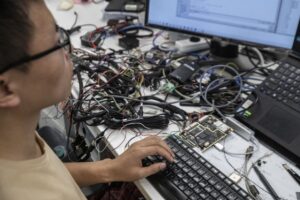
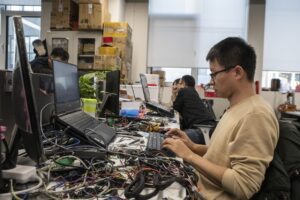
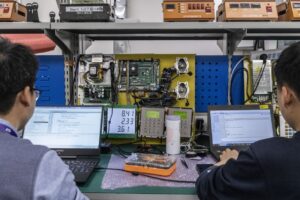
An employee programs a router to monitor truck drivers and trailers at the G7 headquarters in Beijing, China, on Friday, Dec. 12, 2020. Using Internet of Things technology, G7 can employ anti-fatigue cameras to call out bad driving, built-in advanced driver-assistance systems to send warnings about insufficient space between vehicles on highways, and real-time cargo weighing to prevent stealing. Photographer: Gilles Sabrie/Bloomberg
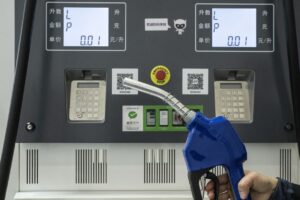
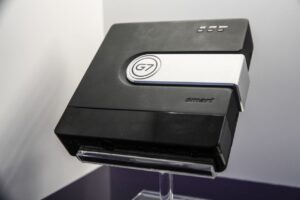
A smart gas pump at the G7 headquarters in Beijing, China, on Friday, Dec. 12, 2020. Using Internet of Things technology, G7 can employ anti-fatigue cameras to call out bad driving, built-in advanced driver-assistance systems to send warnings about insufficient space between vehicles on highways, and real-time cargo weighing to prevent stealing. Photographer: Gilles Sabrie/Bloomberg
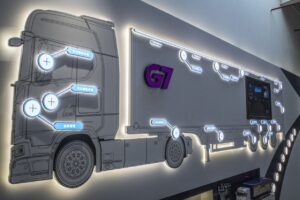
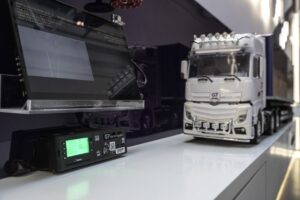
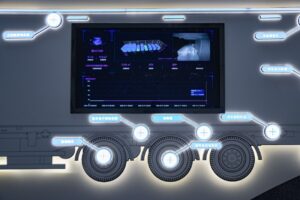
A display of the company’s various artificial intelligence technology on a truck at the G7 headquarters in Beijing, China, on Friday, Dec. 12, 2020. Using Internet of Things technology, G7 can employ anti-fatigue cameras to call out bad driving, built-in advanced driver-assistance systems to send warnings about insufficient space between vehicles on highways, and real-time cargo weighing to prevent stealing. Photographer: Gilles Sabrie/Bloomberg
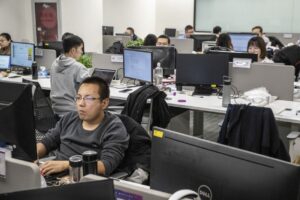
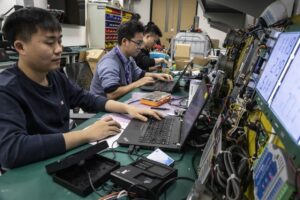
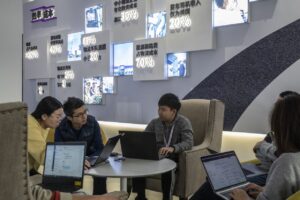
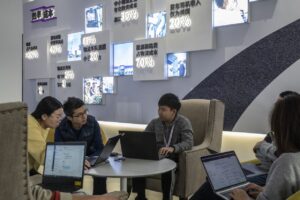
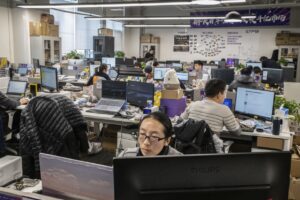
Employees work at the G7 headquarters in Beijing, China, on Friday, Dec. 12, 2020. Using Internet of Things technology, G7 can employ anti-fatigue cameras to call out bad driving, built-in advanced driver-assistance systems to send warnings about insufficient space between vehicles on highways, and real-time cargo weighing to prevent stealing. Photographer: Gilles Sabrie/Bloomberg
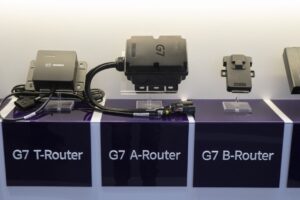
A router unit for monitoring freight truck drivers and trailers at the G7 headquarters in Beijing, China, on Friday, Dec. 12, 2020. Using Internet of Things technology, G7 can employ anti-fatigue cameras to call out bad driving, built-in advanced driver-assistance systems to send warnings about insufficient space between vehicles on highways, and real-time cargo weighing to prevent stealing. Photographer: Gilles Sabrie/Bloomberg
Employees program a smart system for gas pumps at a laboratory at the G7 headquarters in Beijing, China, on Friday, Dec. 12, 2020. Using Internet of Things technology, G7 can employ anti-fatigue cameras to call out bad driving, built-in advanced driver-assistance systems to send warnings about insufficient space between vehicles on highways, and real-time cargo weighing to prevent stealing. Photographer: Gilles Sabrie/Bloomberg
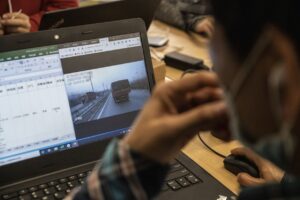
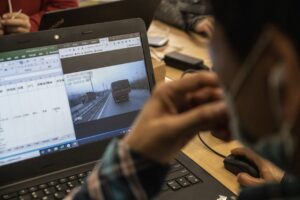
An employee looks at video footage captured by the company’s fleet-management device while working on an artificial intelligence system to identify risks of collisions at the G7 headquarters in Beijing, China, on Friday, Dec. 12, 2020. Using Internet of Things technology, G7 can employ anti-fatigue cameras to call out bad driving, built-in advanced driver-assistance systems to send warnings about insufficient space between vehicles on highways, and real-time cargo weighing to prevent stealing. Photographer: Gilles Sabrie/Bloomberg
A screen shows real-time data of vehicles connected to G7’s fleet-management network at the company’s headquarters in Beijing, China, on Friday, Dec. 12, 2020. Using Internet of Things technology, G7 can employ anti-fatigue cameras to call out bad driving, built-in advanced driver-assistance systems to send warnings about insufficient space between vehicles on highways, and real-time cargo weighing to prevent stealing. Photographer: Gilles Sabrie/Bloomberg
A screen shows real-time data of vehicles connected to G7’s fleet-management network at the company’s headquarters in Beijing, China, on Friday, Dec. 12, 2020. Using Internet of Things technology, G7 can employ anti-fatigue cameras to call out bad driving, built-in advanced driver-assistance systems to send warnings about insufficient space between vehicles on highways, and real-time cargo weighing to prevent stealing. Photographer: Gilles Sabrie/Bloomberg
A unit for monitoring freight truck drivers and trailers at the G7 headquarters in Beijing, China, on Friday, Dec. 12, 2020. Using Internet of Things technology, G7 can employ anti-fatigue cameras to call out bad driving, built-in advanced driver-assistance systems to send warnings about insufficient space between vehicles on highways, and real-time cargo weighing to prevent stealing. Photographer: Gilles Sabrie/Bloomberg
A screen shows real-time data of vehicles connected to G7’s fleet-management network at the company’s headquarters in Beijing, China, on Friday, Dec. 12, 2020. Using Internet of Things technology, G7 can employ anti-fatigue cameras to call out bad driving, built-in advanced driver-assistance systems to send warnings about insufficient space between vehicles on highways, and real-time cargo weighing to prevent stealing. Photographer: Gilles Sabrie/Bloomberg
An employee looks at video footage captured by the company’s fleet-management device while working on an artificial intelligence system to identify risks of collisions at the G7 headquarters in Beijing, China, on Friday, Dec. 12, 2020. Using Internet of Things technology, G7 can employ anti-fatigue cameras to call out bad driving, built-in advanced driver-assistance systems to send warnings about insufficient space between vehicles on highways, and real-time cargo weighing to prevent stealing. Photographer: Gilles Sabrie/Bloomberg
Employees work at the G7 headquarters in Beijing, China, on Friday, Dec. 12, 2020. Using Internet of Things technology, G7 can employ anti-fatigue cameras to call out bad driving, built-in advanced driver-assistance systems to send warnings about insufficient space between vehicles on highways, and real-time cargo weighing to prevent stealing. Photographer: Gilles Sabrie/Bloomberg
A screen shows real-time data of vehicles connected to G7’s fleet-management network at the company’s headquarters in Beijing, China, on Friday, Dec. 12, 2020. Using Internet of Things technology, G7 can employ anti-fatigue cameras to call out bad driving, built-in advanced driver-assistance systems to send warnings about insufficient space between vehicles on highways, and real-time cargo weighing to prevent stealing. Photographer: Gilles Sabrie/Bloomberg
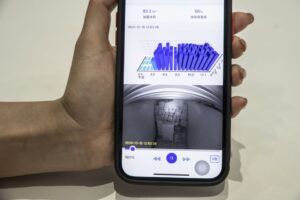
The G7 fleet-management app shows a truck’s payload data at the company’s headquarters in Beijing, China, on Friday, Dec. 12, 2020. Using Internet of Things technology, G7 can employ anti-fatigue cameras to call out bad driving, built-in advanced driver-assistance systems to send warnings about insufficient space between vehicles on highways, and real-time cargo weighing to prevent stealing. Photographer: Gilles Sabrie/Bloomberg
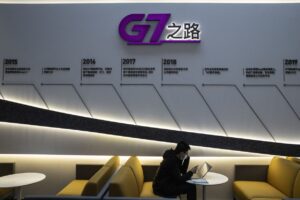
An employee works under a display of the company’s milestones at the G7 headquarters in Beijing, China, on Friday, Dec. 12, 2020. Using Internet of Things technology, G7 can employ anti-fatigue cameras to call out bad driving, built-in advanced driver-assistance systems to send warnings about insufficient space between vehicles on highways, and real-time cargo weighing to prevent stealing. Photographer: Gilles Sabrie/Bloomberg
A display of the company’s various artificial intelligence technology on a truck at the G7 headquarters in Beijing, China, on Friday, Dec. 12, 2020. Using Internet of Things technology, G7 can employ anti-fatigue cameras to call out bad driving, built-in advanced driver-assistance systems to send warnings about insufficient space between vehicles on highways, and real-time cargo weighing to prevent stealing. Photographer: Gilles Sabrie/Bloomberg
Employees work at the G7 headquarters in Beijing, China, on Friday, Dec. 12, 2020. Using Internet of Things technology, G7 can employ anti-fatigue cameras to call out bad driving, built-in advanced driver-assistance systems to send warnings about insufficient space between vehicles on highways, and real-time cargo weighing to prevent stealing. Photographer: Gilles Sabrie/Bloomberg
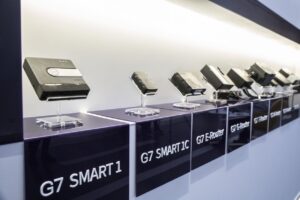
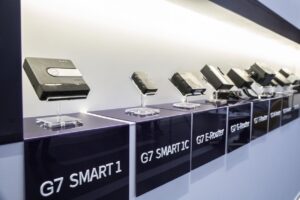
Various units for monitoring freight truck drivers and trailers at the G7 headquarters in Beijing, China, on Friday, Dec. 12, 2020. Using Internet of Things technology, G7 can employ anti-fatigue cameras to call out bad driving, built-in advanced driver-assistance systems to send warnings about insufficient space between vehicles on highways, and real-time cargo weighing to prevent stealing. Photographer: Gilles Sabrie/Bloomberg
An employee programs a router to monitor truck drivers and trailers at the G7 headquarters in Beijing, China, on Friday, Dec. 12, 2020. Using Internet of Things technology, G7 can employ anti-fatigue cameras to call out bad driving, built-in advanced driver-assistance systems to send warnings about insufficient space between vehicles on highways, and real-time cargo weighing to prevent stealing. Photographer: Gilles Sabrie/Bloomberg
Various units for monitoring freight truck drivers and trailers at the G7 headquarters in Beijing, China, on Friday, Dec. 12, 2020. Using Internet of Things technology, G7 can employ anti-fatigue cameras to call out bad driving, built-in advanced driver-assistance systems to send warnings about insufficient space between vehicles on highways, and real-time cargo weighing to prevent stealing. Photographer: Gilles Sabrie/Bloomberg
Various router units for monitoring freight truck drivers and trailers at the G7 headquarters in Beijing, China, on Friday, Dec. 12, 2020. Using Internet of Things technology, G7 can employ anti-fatigue cameras to call out bad driving, built-in advanced driver-assistance systems to send warnings about insufficient space between vehicles on highways, and real-time cargo weighing to prevent stealing. Photographer: Gilles Sabrie/Bloomberg
Employees work at the G7 headquarters in Beijing, China, on Friday, Dec. 12, 2020. Using Internet of Things technology, G7 can employ anti-fatigue cameras to call out bad driving, built-in advanced driver-assistance systems to send warnings about insufficient space between vehicles on highways, and real-time cargo weighing to prevent stealing. Photographer: Gilles Sabrie/Bloomberg
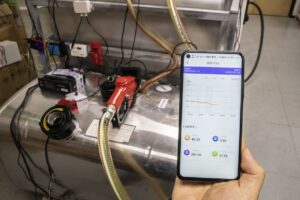
The G7 fleet-management app shows trucks’ gas data at the company’s headquarters in Beijing, China, on Friday, Dec. 12, 2020. Using Internet of Things technology, G7 can employ anti-fatigue cameras to call out bad driving, built-in advanced driver-assistance systems to send warnings about insufficient space between vehicles on highways, and real-time cargo weighing to prevent stealing. Photographer: Gilles Sabrie/Bloomberg
Employees program a smart system for gas pumps at a laboratory at the G7 headquarters in Beijing, China, on Friday, Dec. 12, 2020. Using Internet of Things technology, G7 can employ anti-fatigue cameras to call out bad driving, built-in advanced driver-assistance systems to send warnings about insufficient space between vehicles on highways, and real-time cargo weighing to prevent stealing. Photographer: Gilles Sabrie/Bloomberg